UltraSleep: A Guided Sleep Hypnosis to Fall Asleep Faster
Lie down, turn the volume low, and let the voice and music walk your nervous system down into deep sleep.
UltraSleep is a guided sleep hypnosis built around your vagus nerve. It settles your breathing, then gives your busy mind something gentle to do: a "memory peg" game that's like counting sheep, but better. It finishes with a slow body scan and about twenty minutes of music to carry you through the night.
Press play, put your phone face-down (or tap Lights out), and let it run. You don't need to follow along. Drifting off partway through is the point.
🌙 The session, section by section
Tap any section to start there.
The ten memory pictures
Partway through, you'll learn ten simple pictures, then later link a moment from your day to each one. On screen, the moon shows each picture as it comes up:
Recalling bits of your day right before sleep flags them as important, and sleep is when your brain sorts and stores memories. Silly, vivid pictures stick best, and focusing on them crowds out the worries that keep you awake.
😴 How to use it
- Use it nightly for at least 14 days before judging it. The first few nights your nervous system is learning the audio. By night 7 to 10 your body starts to anticipate the relaxation, and by night 14 most people are asleep before the induction even finishes.
- Keep the volume very low, just loud enough to make out the words. Loud audio wakes your attention up, which is the opposite of what you want.
- A pillow speaker beats earbuds. Earbuds get uncomfortable when you roll over; a pillow speaker lets you sleep in any position.
- Don't try to follow along. Drifting in and out isn't failure. It's the state you're after.
- Prefer silence once you're asleep? Tap ☾ Stop after induction in the player. The music then fades out after the spoken part and stops at 34:25 instead of playing until 55:34. Your choice is remembered on that device.
- Same time, same routine. Start it at about the same time, in the same position, with the lights low, and the sleep response builds faster.
🛏️ The pillow-speaker setup
For the full setup, you'll want three small items, each under about $25. The pillow speaker sits inside or under your pillow and plays the audio quietly, with no phone or Bluetooth needed. The microSD card holds the MP3, and the USB-C card reader lets you load it from your computer or phone. Brands go in and out of stock, so the buttons open Amazon searches for the right type of device.
🛏️ 1. Pillow Speaker (with microSD slot)
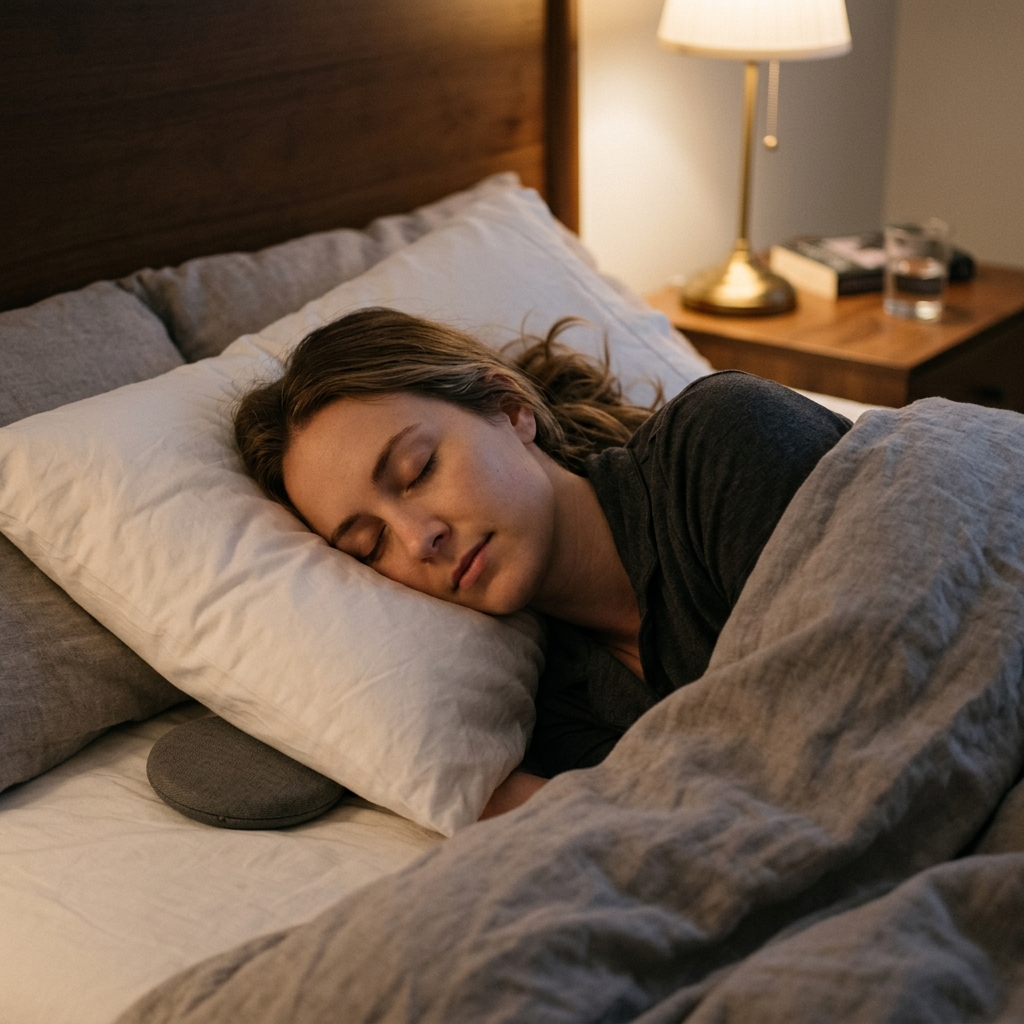
A small, thin disc that sits inside or under your pillow. Get the kind that takes a microSD card directly, so the audio plays without your phone, Bluetooth, or an app. Load the MP3 onto the card once, drop it in, and you're done.
Browse SD-card pillow speakers on Amazon →💾 2. 8 GB MicroSD Card (Class 10)
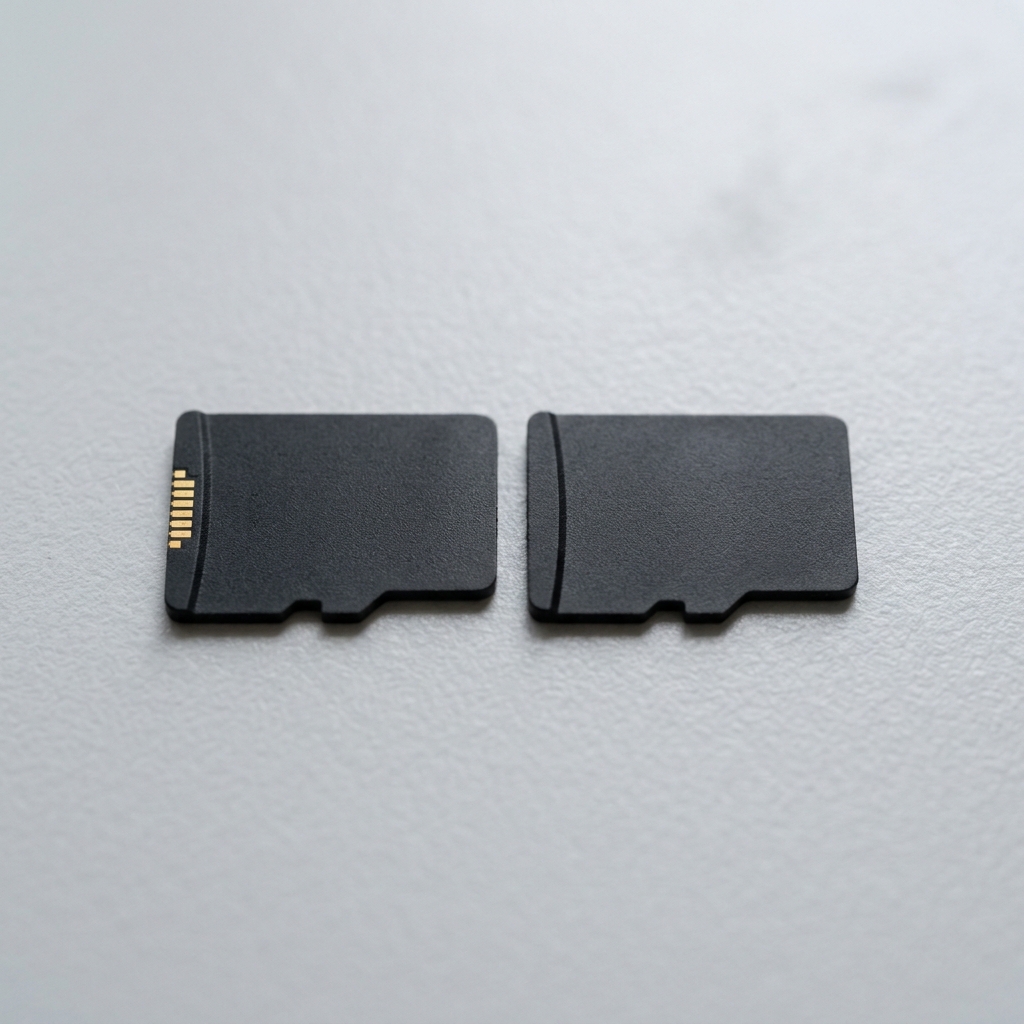
An 8 GB card is plenty: the MP3 is only about 31 MB. A Class 10 card reads fast enough for smooth playback. Two-packs are usually the best value; keep one as a spare.
Browse 8 GB microSD cards on Amazon →🔌 3. USB-C MicroSD Card Reader
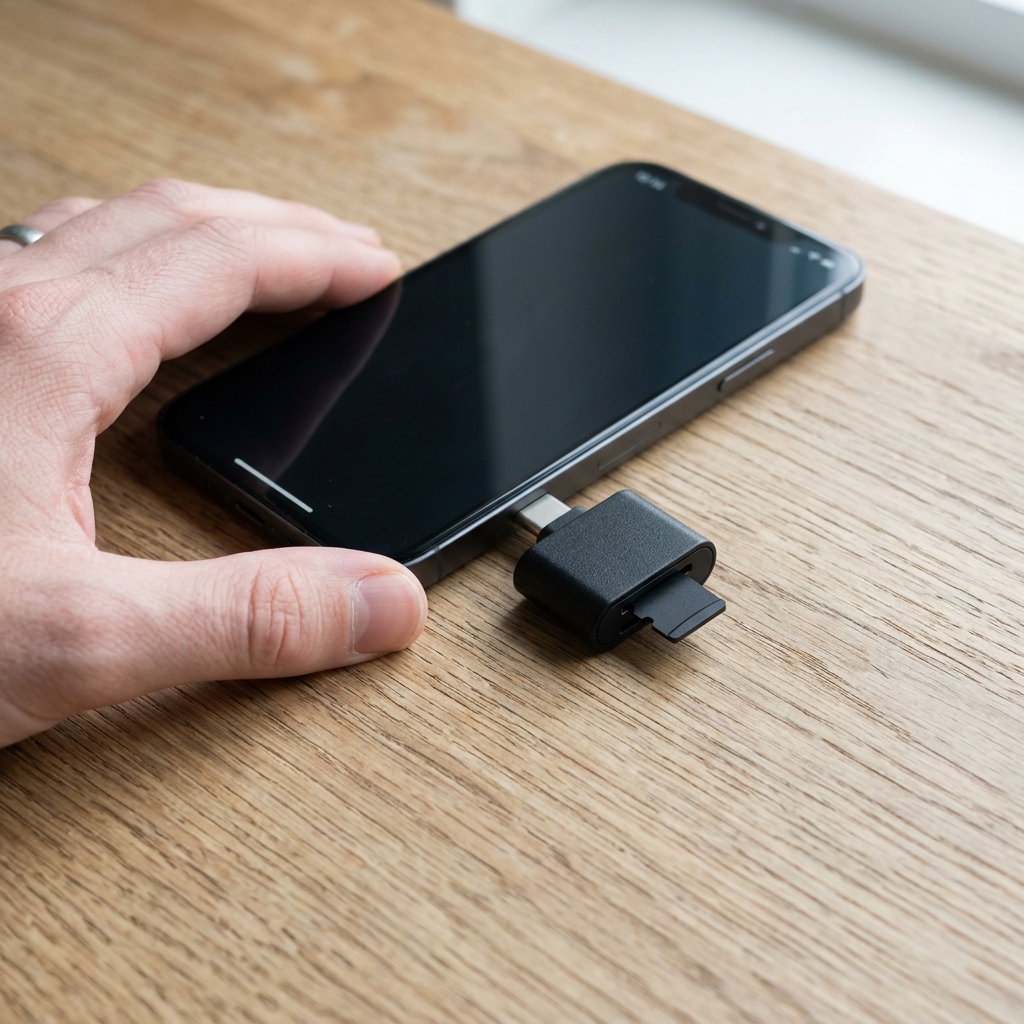
The little dongle that moves the MP3 from your computer or phone onto the card. Newer iPhones, most Android phones, iPads, MacBooks, and PCs all use USB-C, so one reader covers almost everything. Plug it in, drag the file, eject, done.
Browse USB-C SD readers on Amazon →Once you have all three: plug the reader into your computer or phone, drag the MP3 onto the card, eject it, drop it into the pillow speaker, press play, and go to bed.
⬇️ Download the MP3
Save it to your phone, your computer, or the microSD card for the pillow speaker.
🫀 Why the vagus nerve is the key to deep sleep
Most people who struggle with sleep don't really have a "sleep problem." They have a nervous system stuck in a low-grade "fight or flight" state, and the body won't allow deep, restorative sleep until that state switches off. All the melatonin and magnesium in the world won't help much if your nervous system thinks there's a tiger in the room.
The vagus nerve is the main switch that moves you into "rest and digest," the state you need for deep sleep and the overnight repair that makes sleep worth having. That's why anything that calms the vagus nerve in the half hour before bed pays off so well, and why this audio slows everything down: the voice, the pacing, the silences, and the music.
📅 What to expect
Nights 1–3: falling asleep faster. Some people are surprised how quickly they go under.
Nights 4–7: sleep starts to feel deeper, with less tossing and turning.
Weeks 2–4: dreams often get more vivid and memorable. That's a good sign that your brain is doing its overnight processing.
Beyond a month: even on nights without the audio, you tend to fall asleep faster than before.
Troubleshooting
"I keep falling asleep before the induction even starts." Excellent. That's the goal.
"I'm having more vivid dreams or feeling more emotional." Very common as your nervous system catches up on processing. It usually settles within a few weeks.
"Can I use it for naps?" Yes. Stop it after the body scan, around 32:21.
"What if I don't have a pillow speaker yet?" Use whatever you have: your phone speaker on low, or a small speaker on the nightstand. The pillow speaker is an upgrade, not a requirement.
Want something for the morning, too? Try Ultra Priming or the Hour of Power, and if all this is new, start with our Getting Started guide.
Lights low. Volume low. Press play.
56 minutes of guided rest, then music through the night.