Getting Started with Vagus Nerve Stimulation
So you just heard about the vagus nerve. Now what? Here's what it is, every way to stimulate it, and exactly what to do first.

Welcome. If you're here, you probably just heard about the vagus nerve, maybe from a podcast, a friend, a YouTube video, or (most often) your own late-night search for answers to symptoms nobody has been able to explain.
You've found the right place to start. Between our coaching clients and a Facebook community of 57,000 people, I've watched a lot of people go from "what's a vagus nerve?" to sleeping better, digesting better, and feeling like their body finally has a working off-switch.
This page is the front door to VagusHub. Give it ten minutes and you'll know what the vagus nerve is, the main ways people stimulate it (free and with devices), and the exact first steps to take today.
Your first three moves
🧠 What is the vagus nerve? (In plain English)
Your nervous system has two big modes. One is the accelerator: "fight or flight," the sympathetic system that gets you ready for danger. The other is the brake: "rest and digest," the parasympathetic system that slows your heart, switches on digestion, and lets your body repair.
The vagus nerve is the main cable of that brake.
It's the longest of your twelve cranial nerves. It starts in the brainstem, runs down both sides of your neck beside the carotid artery, and branches out to your throat, voice box, heart, lungs, liver, stomach, and intestines. The name comes from the Latin word for "wandering," and it wanders almost everywhere.
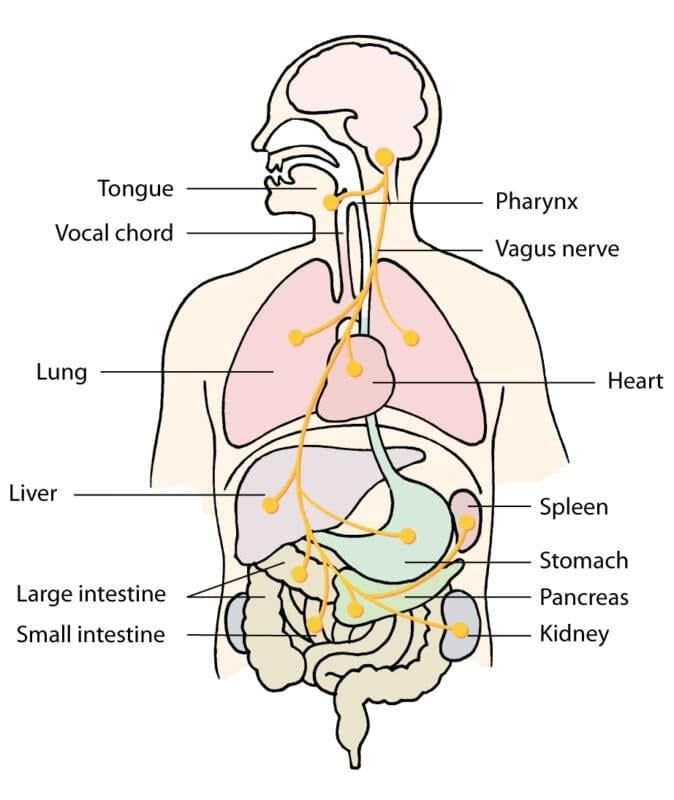
Here's the part most people never hear: about 80% of its fibers carry information upward, from your body to your brain. The vagus nerve is how your brain knows whether your gut is calm, your heart is steady, and you're safe. That's why a gut problem can feel like anxiety, and why a slow breath can quiet a racing mind. The signal runs both ways.
What "vagal tone" means
You'll hear the phrase vagal tone a lot. Think of it as how well your brake works. With good vagal tone, you get stressed and then you come back down, quickly. With low vagal tone the accelerator stays pressed: you lie awake wired, digestion stalls, your heart races at small things, and recovering from stress takes hours instead of minutes.
The hopeful part, and the reason this whole website exists, is that vagal tone is trainable. It responds to practice the same way a muscle responds to exercise.
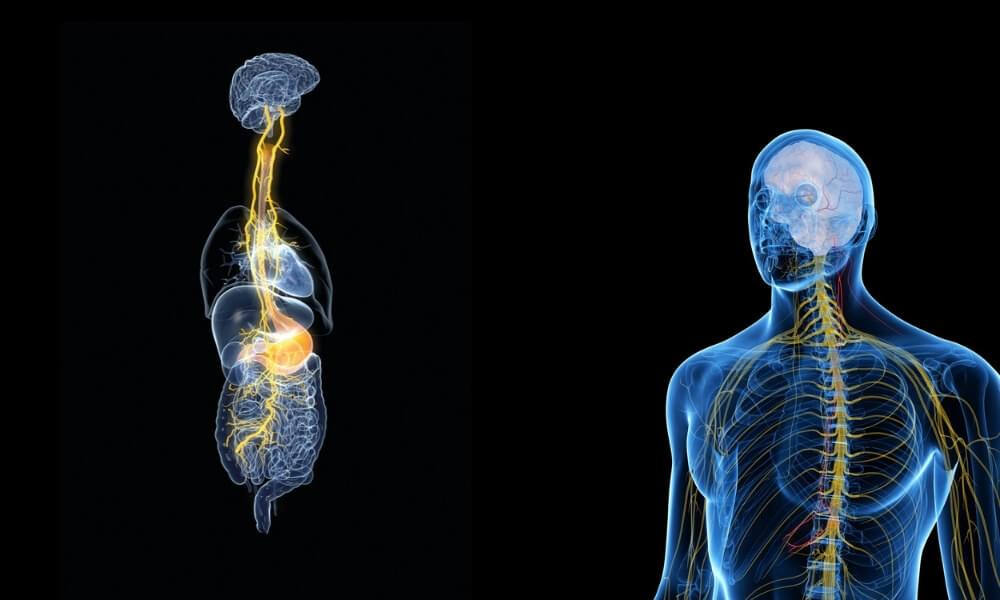
Want the full anatomy and the science? The free guidebook's deep dive covers the gut-brain axis, inflammation, and heart rate variability, and the symptoms article includes anatomy videos.
🩺 Is it actually your vagus nerve?
Before you buy anything or start a routine, answer the more useful question: is the vagus nerve actually your problem? Almost every symptom has other possible causes. What points to the vagus nerve is a pattern, several of these drifting in the same direction at once:
😴 Sleep
Wired at bedtime, or waking at 3–4am with your mind racing.
⚡ Stress recovery
You stay revved for hours after something stressful is over.
🫃 Digestion
Bloating, heaviness, or reflux after ordinary meals.
💓 Heart
A racing or pounding heart at rest, for no clear reason.
🌬️ Breath
Air hunger, or a constant urge to yawn just to get a full breath.
🗣️ Voice & connection
A tight throat or "lump," or feeling numb and "behind glass" around people.
Take the 2-Minute Vagus Check
Seven quick questions, scored instantly. You'll get your Vagus Profile, the areas that stand out for you, and where to start, easiest first. It's the single best way to know whether everything else on this page is worth your time.
Start the check →It's a pattern-spotter, not a diagnosis. If a symptom is severe, new, or getting worse, see a doctor first.
Want the full list of signs first? Read What Are the Most Common Symptoms of Vagus Nerve Dysfunction?
🛠️ Every way to stimulate the vagus nerve
"Getting started" usually means one thing: you want to stimulate this nerve. Good. There are a lot of ways to do it, and they fall into four levels, from things you can do in the next five minutes to dedicated technology.
Start at Level 1 no matter what. Devices work best on top of the free basics, not instead of them.
-
1FREE · START TODAY
Your own body
- Slow breathing with a long exhale (in for 4, out for 6–8)
- Humming, gargling, singing, chanting: they vibrate the vagus branches in your throat
- Cold water on the face, or a cold pack on the side of the neck
- Plus movement, laughter, morning sunlight, and time with people you feel safe around
These work through the vagus nerve's own built-in reflexes. They're free, safe, and they do most of the heavy lifting. Your first-week plan is below, and there's a morning priming routine when you want more.
-
2LOW-COST TOOLS
Simple tools that make the habits stick
- The Nemuri breathwork necklace: a battery-free pendant whose tuned internal channel adds gentle resistance to lengthen your exhale, anywhere
- Sleep hypnosis audio on a pillow speaker, for calm, screen-free nights
- Hour of Power, our free affirmation audio for a steady daily practice
- Vibration plates, rebounders, red light, and more on our top products list
-
3ELECTRICAL
Ear-clip and TENS-style stimulators (tVNS)
Transcutaneous electrical vagus nerve stimulation uses a small device that clips onto the ear and sends a mild current into the ear's branch of the vagus nerve. It's non-invasive and increasingly easy to find. The ear branch is a smaller, more indirect target than the nerve in your neck, so the effect tends to be gentler.
Not to be confused with implanted VNS, a surgical device prescribed by doctors for conditions like epilepsy and treatment-resistant depression. Everything on VagusHub is non-invasive.
-
4ULTRASOUND
Ultrasound vagus nerve stimulation (uVNS)
This is where my own work focuses. A small amount of gel goes on the side of the neck, a handheld ultrasound unit sits over the vagus nerve, and a session runs for a few minutes. Most people feel little more than a faint warmth, then notice their heart slow, their breath deepen, and their shoulders drop.
How ultrasound VNS works, and the research behind it →
Which device to buy, and how to use it →
| Level | What it takes | When to start |
|---|---|---|
| 1 · Your own body | Nothing but you | Today |
| 2 · Low-cost tools | A pendant, a speaker, or an audio track | Once a daily habit is forming |
| 3 · Electrical (tVNS) | An ear-clip stimulator | After a few weeks of Level 1 |
| 4 · Ultrasound (uVNS) | A handheld ultrasound unit and gel | After a few weeks of Level 1, with the community's guide |
💡 Why start free, even if you already want a device
I love the technology, and I use and recommend several devices. But a $500 stimulator without a daily breathing practice will underperform a free breathing practice by a wide margin. The technology amplifies the foundation; it doesn't replace it. Two weeks of Level 1 first means your device has something to build on.
🪜 Your first week: free, starting today
Don't try ten things at once. Do these, in this order, and add the next one only when the one before it feels automatic.
-
1START TODAY
The long exhale
Breathe in through your nose for 4 seconds, out for 6–8 seconds, with a short pause at the bottom. Five minutes, three times a day. The long exhale is the signal that tells your brainstem the threat is over and the "rest and digest" system can take the wheel.
-
2ADD THIS WEEK
Hum after meals
One minute of low, steady humming after each meal, and a good gargle when you brush your teeth. Rest two fingers beside your windpipe while you hum: that buzz is the vagus nerve's branch to your voice box. You're stimulating a nerve you can literally feel.
-
3YOUR RESCUE BUTTON
Cold on the face
When you're spun up, splash cold water on your face or hold a cold pack on the side of your neck for 15–30 seconds. It triggers the "diving reflex," the fastest downshift your body has.
-
4EVERY MORNING
Rate your day, 1 to 10
Score your sleep, energy, mood, and calm each morning. It takes ten seconds. You'll often see the numbers move before you feel the change, and on the hard days the numbers are what keep you going.
⏳ How long until it works?
Some people feel a shift the very first night. For most, real change builds over 4 to 8 weeks of daily practice, and the most common mistake is quitting at week two, right before the curve bends. Consistency beats intensity: five minutes every day beats an hour once a week.
The free guidebook picks up from here with the full step-by-step ladder, plus two 30-second tests that let you feel your vagus nerve working.
🔊 Ready for a device? Start with these 3 pinned posts
When people decide they're ready for ultrasound, the same questions come up every single time. So I answered them once, properly, and pinned the answers to the top of Vagus Skool, our free community. Read these three in this order:
 1 Pinned in Skool
Welcome to Vagus Skool! (Start Here) ✊
The front door. Say hello and share how you want to stimulate (breath, TENS, ultrasound) and what you're hoping for. It also explains how to unlock the Ultrasound course in the free Classroom.
Say hello on Skool →
1 Pinned in Skool
Welcome to Vagus Skool! (Start Here) ✊
The front door. Say hello and share how you want to stimulate (breath, TENS, ultrasound) and what you're hoping for. It also explains how to unlock the Ultrasound course in the free Classroom.
Say hello on Skool →
 2 Pinned in Skool
🚨 The #1 Question: "What's the Best Ultrasound Device to Buy?"
My official answer, by region: the affordable unit I recommend in the USA and Canada, the one to get in the UK and EU, and links to the Classroom lessons on buying and using it.
Read my device guide →
2 Pinned in Skool
🚨 The #1 Question: "What's the Best Ultrasound Device to Buy?"
My official answer, by region: the affordable unit I recommend in the USA and Canada, the one to get in the UK and EU, and links to the Classroom lessons on buying and using it.
Read my device guide →
 3 Pinned in Skool
📸 The #2 Question: "Got Any Pictures of How to Use This Thing?"
The visual guide for once it arrives: how to set up, where it goes, how to ease in over your first sessions, and the golden rules for when to stop.
See the visual guide →
3 Pinned in Skool
📸 The #2 Question: "Got Any Pictures of How to Use This Thing?"
The visual guide for once it arrives: how to set up, where it goes, how to ease in over your first sessions, and the golden rules for when to stop.
See the visual guide →
Vagus Skool is free to join. You'll need a free Skool account to comment and open the Classroom. Please don't be shy: post your questions there. I read them, and so do over a thousand members who have been exactly where you are right now.
Join Vagus Skool, free →A quick safety note: electrical and ultrasound devices aren't for everyone. If you have a heart condition, a pacemaker or another implanted device, epilepsy, or you're pregnant, talk to your doctor before using one. Start gently, and stop if anything feels wrong.
👥 You don't have to figure this out alone
The single biggest accelerant we've ever seen isn't a device or a technique. It's community. People who do this alongside others stick with it, and the people who stick with it are the ones who get results. Pick one of these, or both:
Vagus Nerve Stimulation & Repair
Our big one. Thousands of people sharing what's working, asking questions, and posting their progress. The best place to lurk, learn, and ask anything.
Join the Facebook group →
Vagus Skool
Our home base for structured learning: free step-by-step Classroom courses, the device guides above, and focused discussion without the noise of a social feed.
Join Vagus Skool →📬 Stay in the loop, wherever the internet goes
Groups get shut down and algorithms change. The newsletter is how we stay in touch no matter what: new research in plain English, protocols that are working, new free guides and audio, and the occasional note from me. No daily emails.
Free. Unsubscribe anytime with one click. We never sell or share your address. Privacy
📚 Where to go next
Once you've taken the check and started your first week, these are the pages people find most useful:
 The Free GuidebookThe 2-minute check, your step-by-step protocol, and the science behind it.
 Symptoms of Vagus Nerve DysfunctionThe full deep-dive on the signs, plus a self-test.
 The Benefits of VNSWhat people notice first when this starts working.
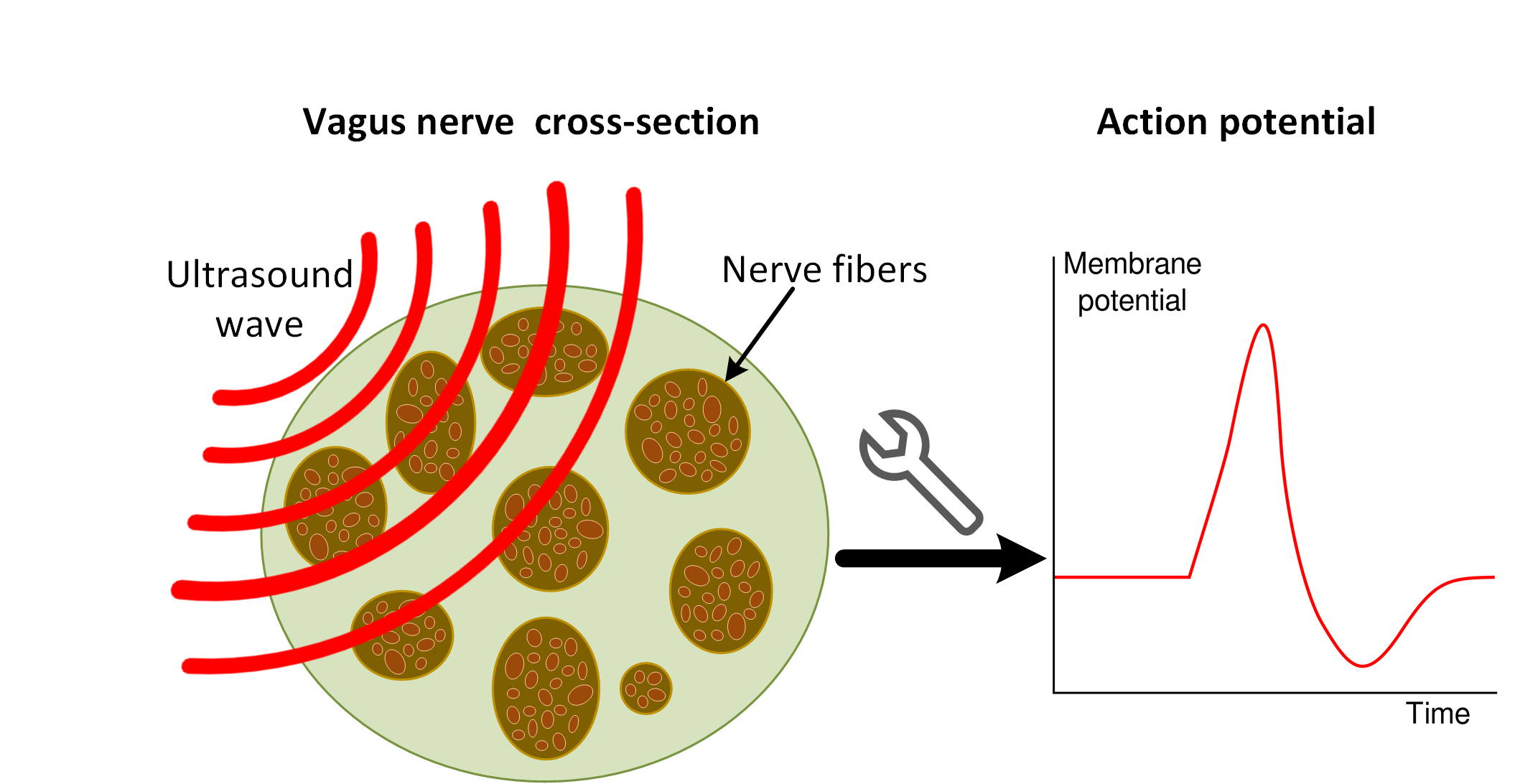 Ultrasound Vagus Nerve StimulationHow uVNS works and why it's different from electrical stimulation.
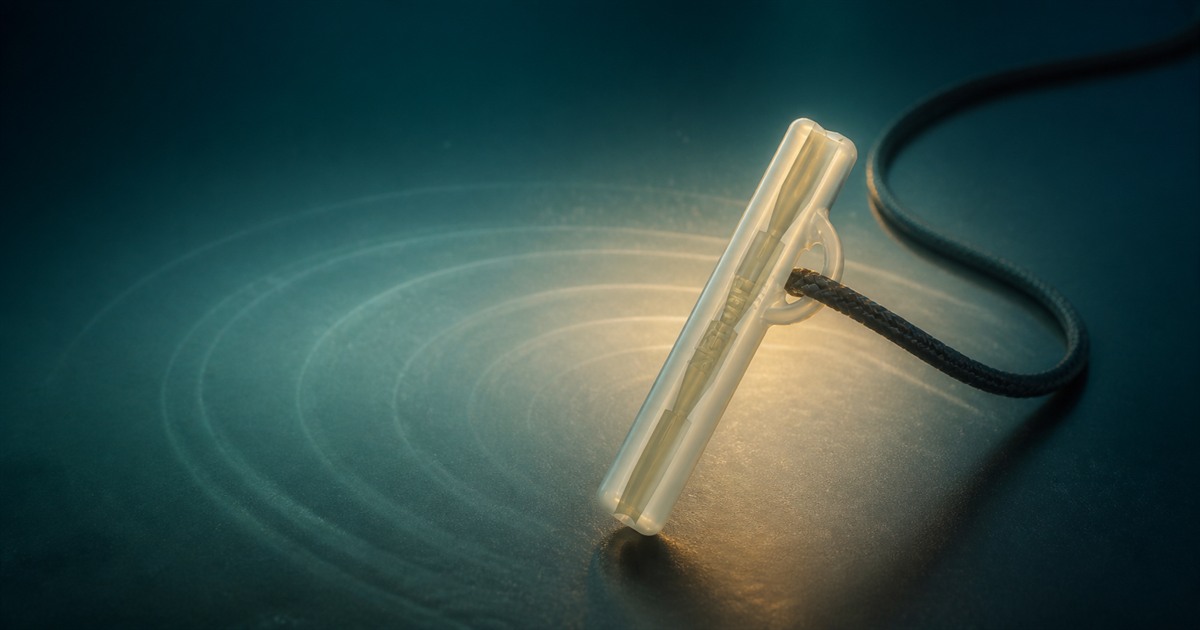 The Nemuri Breathwork NecklaceA battery-free pendant that lengthens your exhale.
 Top Recommended ProductsThe supplements and tools we actually use.
 Sleep Hypnosis AudioPillow-speaker audio for deep, calm sleep.
 Ultra PrimingA 43-minute guided morning session: breathe, give thanks, rise up.
 The Vagus Nerve PodcastConversations on how the vagus nerve really works.
Like to see the evidence? Browse program testimonials and our research citations, or every article on the blog.
⚠️ What most beginners get wrong
A few patterns we see over and over. Flagging them now so you can skip them:
Doing too much, too fast
People hear about ten techniques and try all of them for a week, then burn out. Pick one or two and do them every day for a month before adding anything new.
Skipping the basics for gadgets
Devices are wonderful, but they amplify a daily practice; they don't replace it. Start with Level 1, even if your device is already on its way.
Expecting an overnight transformation
The big shifts tend to land between weeks 4 and 8. If you stop at week two because nothing dramatic happened, you stopped right before the curve bends.
Going it alone
Being around other people doing the same work is the biggest accelerant we've seen. Join a community, even if you only read at first.
❓ Common questions
Do I need to buy a device to get started?
No. Breathing, humming, and cold water need nothing but your own body and a sink, and they do most of the work. Devices become useful later, once a daily habit is in place. Start free, see what changes, then layer tools in.
How long until I notice anything?
Some people notice better sleep the first night or an instant drop in anxiety after one breathing session. Lasting change usually builds over 4 to 8 weeks of daily practice. How consistently you practice predicts your progress better than what you practice.
Is vagus nerve stimulation safe?
The breath, voice, and cold-water tools are gentle and very hard to overdo. With electrical or ultrasound devices, intensity, placement, and session length matter, so start low, keep sessions short, and follow a well-designed protocol like the pinned guides above. If you have a heart condition, a pacemaker or other implanted device, epilepsy, or you're pregnant, check with your doctor first. Nothing on VagusHub is medical advice or a substitute for a medical workup.
Will this interfere with my medications?
The basic breath and voice work is compatible with essentially every medication we've come across. If you take medication that affects heart rate, blood pressure, or blood sugar, tell your prescribing doctor what you're doing: the vagus nerve influences all three, and your needs may change as your baseline improves.
Which ultrasound device should I buy?
It depends on where you live. My regional recommendations are in the #1 pinned post in Vagus Skool, and I keep that post up to date.
Is this the same as the vagus nerve implant I read about?
No. Implanted VNS is a surgical device prescribed by doctors for conditions like epilepsy and treatment-resistant depression. Everything on VagusHub, from breathing to ear-clip and ultrasound devices, works from outside the body.
Where can I ask my own questions?
In Vagus Skool or the Facebook group; I read both. For anything about an order or this website, use our support page.
Your next step takes two minutes
Take the free 2-Minute Vagus Check and get a personal starting point, easiest first.
Take the 2-Minute Vagus Check →or join Vagus Skool · join the Facebook group · get the newsletter
Welcome. Breathe out slowly. You've already started.